
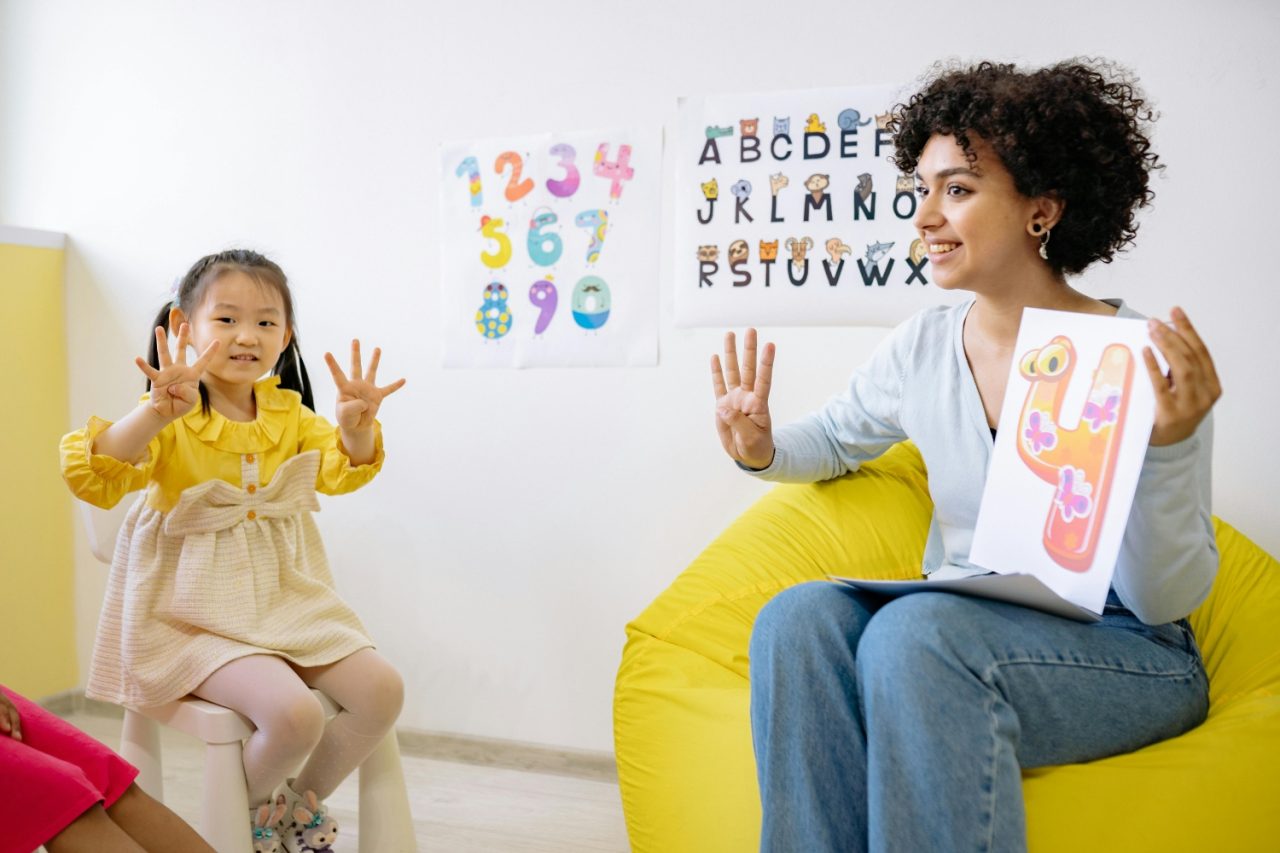
Interactive learning has been shown to improve retention. By presenting information in a fun and engaging way, requiring input from the learners themselves, studies and anecdotal evidence suggest that students tend to absorb (not to mention, apply) their lessons more readily. This is true for all levels of learning, from preschool all the way to tertiary institutions.
At the kindergarten level, interactive learning is exhibited through activities like singing songs, reading out loud and story telling. Here are some of the benefits of interactive learning for kindergarten children.
1. Fosters Active Understanding
Traditional rote learning methods require students to learn through repetition and memorization. This style of learning, without a deeper understanding of the concepts being memorised, can limit critical thinking, problem-solving abilities, and long-term retention. With interactive and hands-on learning activities, kindergarten children will be able to take their time to actively understand the principal concepts being taught.
Furthermore, it allows them to apply what they’ve learnt in a real world situation. This will foster a sense of confidence and control over what they are learning.
2. Lets Children Have Fun
Information is more easily received and retained when children are happy and comfortable while learning. This is because fun and exciting activities increase their motivation to learn, and build a positive attitude towards learning. We’ve witnessed that this makes them more inclined to learn on their own initiative, especially outside the classroom.
3. Stimulates Their Natural Curiosity
Unlike boring and repetitive activities, fun and interactive learning also stimulates a child’s natural curiosity. By participating in group discussions, role playing or even engaging in hands-on activities, their minds are challenged to explore multiple solutions, which, in turn, invites them to take a more active approach in their education—whether it’s through questions directed at educators or self-study.
This proactiveness in pursuing concepts that interest them, lays the foundation for lifelong learning, preparing them to adapt to a rapidly evolving world.
4. Allows Development of Various Critical Aspects
Interactive activities, when applied strategically, enable children to develop a variety of valuable skills. For example, one of our interactive activities, “Say & Sing Phonics”, comprising a variety of songs and rhymes designed to help children master the connection between symbols and sounds (phonics), also fosters pattern recognition, enriches their language proficiency, and ignites a passion for stories all at the same time.
This is a small example of how interactive activities can be used to equip children with a variety of essential skills.
5. Fostering Imagination and Creativity
Interactive activities at MindChamps Enrichment exposes children to a wide range of creative materials, from songs to stories. This allows them to discover a host of new emotions, cultures, concepts and characters. This exposure, beyond introducing new perspectives, fosters imaginative thinking and inspires them to generate original ideas and stories. This will help them develop an ‘out-of-the-box’ approach to problem solving.
Final Thoughts
MindChamps Enrichment offers the MindChamps Reading and MindChamps Writing programmes for kindergarten aged children. Both these programmes include a rich selection of interactive learning activities to foster strong literacy fundamentals in your child. Register for a trial class at any of our centres for your child and discover more about how your child can benefit from our revolutionary, science backed methods.