
Children pick up language like sponges, soaking in sounds, tones, gestures, and meaning long before they can write a word. And when it comes to learning Chinese, the more exposure they get in everyday life, the stronger their grasp of the language becomes. That’s where parents come in.
Preschool Chinese classes set the foundation. But at home? That’s where language truly comes alive. Here are some home activities that complement preschool Chinese classes for your child.
DIY Chinese Snack Stall
Turn snack time into a mini Mandarin lesson. Set up a pretend Chinese snack stall using biscuits, fruits, or anything bite-sized. Write the names of each item in Chinese characters with pinyin (e.g., 苹果 píngguǒ for apple, 饼干 bǐnggān for biscuit) and pretend to be the shopkeeper while your child “buys” their snacks using Mandarin phrases.
Phrases like “wǒ yào yí gè píng guǒ” (“I want one apple”) or “xiè xiè lǎo bǎn” (“Thank you, boss!”) help reinforce sentence structure and vocabulary. You can even use play money to add counting practice in Chinese. It’s role-play, language learning, and snack time all rolled into one.
Label, Point, Play
Visual learning is powerful, especially at this age. Try labeling everyday items around the house with both English and Chinese words. Better yet, get your child involved in making the labels. Let them decorate the cards or practise tracing the characters.
Games are another easy win. A game of “I Spy” using Chinese vocabulary or a scavenger hunt for items that start with a certain character sound can turn an ordinary afternoon into a language adventure.
Tell Stories, Swap Roles
Chinese preschool classes often use storytelling to build comprehension and cultural connection. You can bring this home by reading Chinese storybooks together; many picture books are available with pinyin, which helps if you’re not fluent yourself.
Don’t just read. Act it out. Use voices, props, or soft toys to turn stories into mini skits. When your child plays the role of the storyteller or a character, they’re practising sentence structure, vocabulary, and expressive speech, all while having fun.
Make Room for Culture
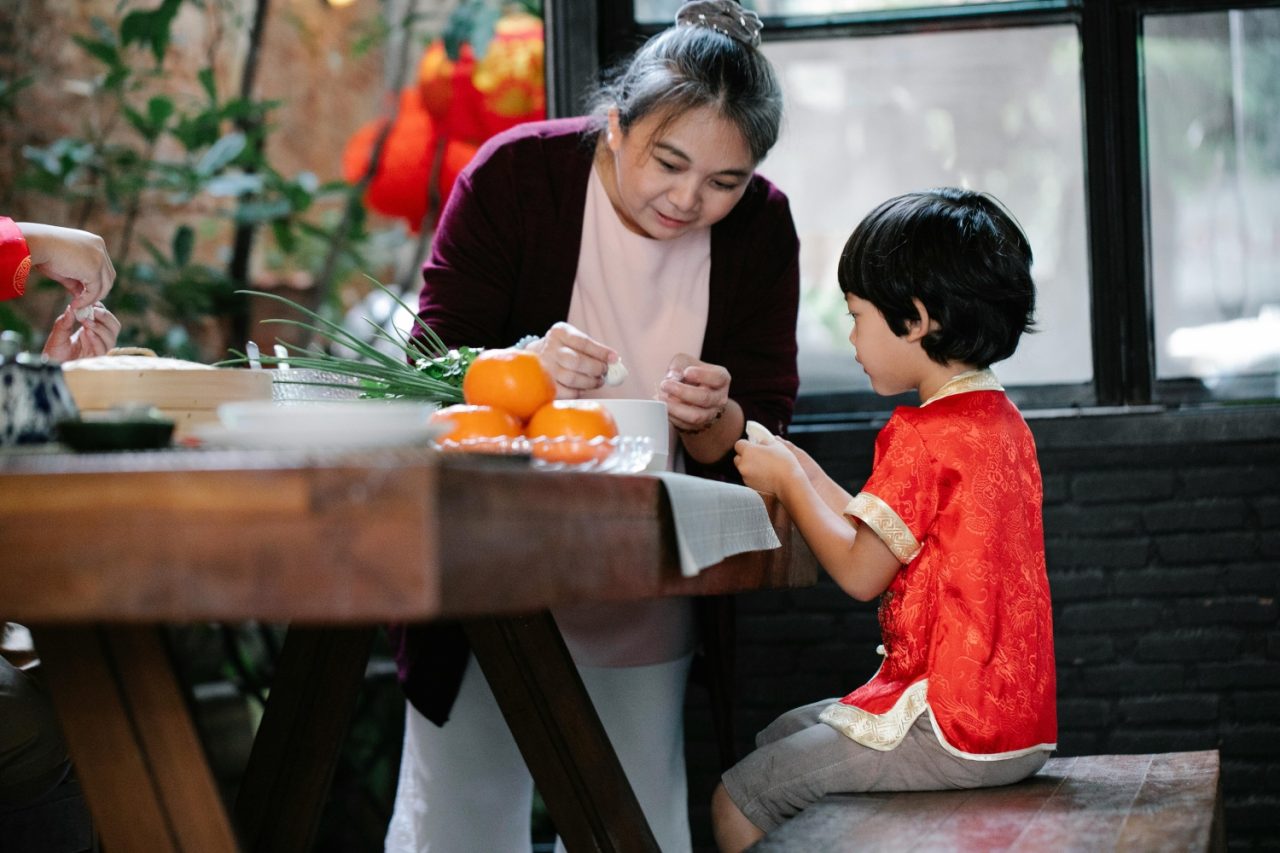
Language and culture go hand in hand. Celebrate simple Chinese customs at home, whether it’s making dumplings together, watching lion dance videos around Chinese New Year, or learning a traditional children’s song.
Even small seasonal rituals give children context for the words they hear in class. These experiences help anchor the language in real-world meaning, which is especially important when learning a tonal and character-based language like Mandarin.
Final Thoughts
At MindChamps, we understand how important your role is in nurturing bilingual development. Our Chinese PreSchool programme blends immersive language learning with cultural exploration and sensory play, all grounded in early childhood pedagogy.
If you’d like to see how our environment supports what your child’s learning at home or if you’re exploring options for their first steps in Chinese, come visit us. Book a tour at your nearest MindChamps Chinese PreSchool to find out how we make bilingual learning a joyful, natural part of your child’s growth.