
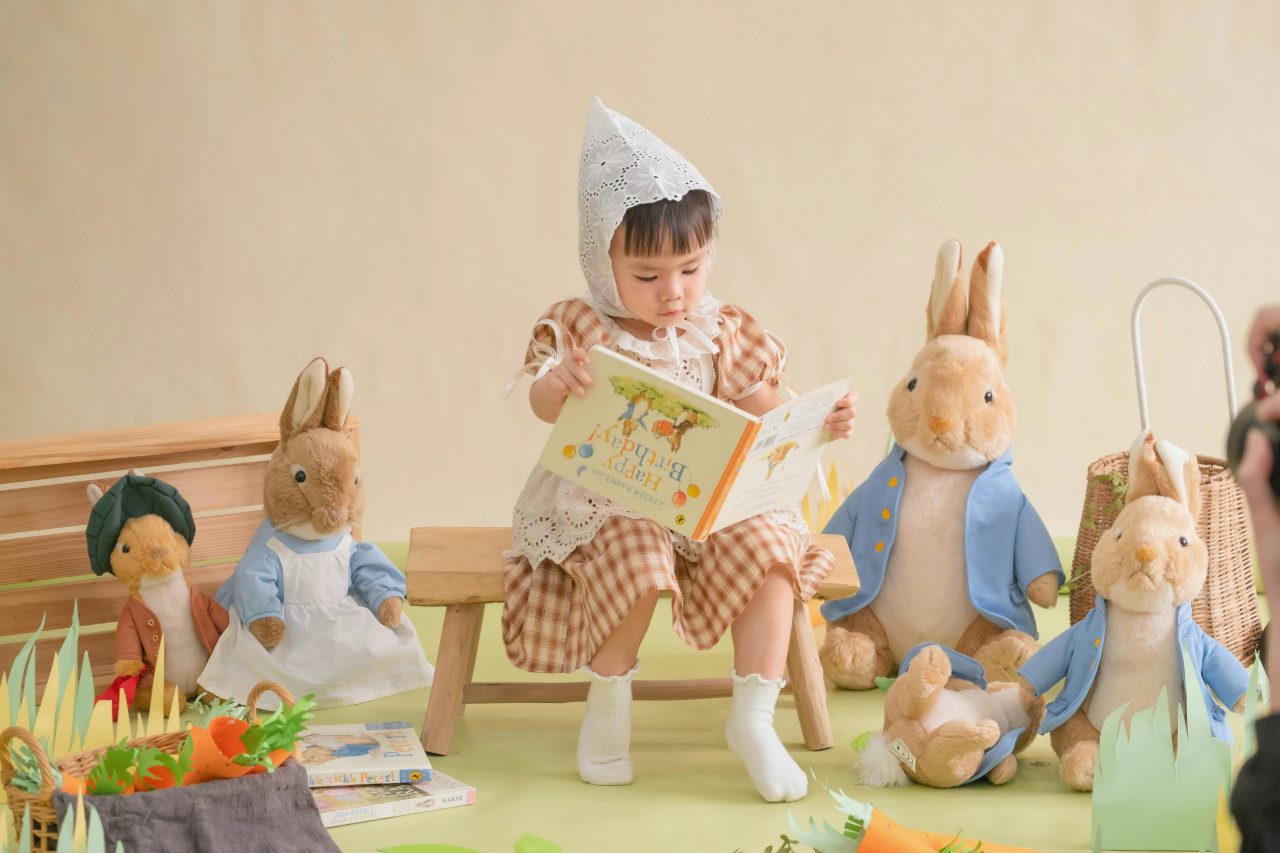
At one point in time, early childhood education was viewed simply as a place for children to learn reading and writing. However, this way of thought is no longer common as parents increasingly recognise the crucial role that early childhood education plays in their child’s overall development.
Social skills form a critical component of the four key developmental areas in early childhood education, alongside cognitive, communication (speech and language), and fine and gross motor skills.
Comprising elements of empathy and teamwork, social skills lay the foundation for a child’s future personal and academic achievements. As children progress from preschool to primary school, their social competencies, such as impulse control and an awareness of others’ emotions, become essential for effective play and learning in more structured group environments.
In this article, we will explore various preschool class activities to build social skills and offer insights on how parents can further reinforce these skills at home.
The Role of Preschool in Social Skill Development
Preschools play a pivotal role in nurturing social skills in young children. The environment, structured around play and interaction, is ideal for cultivating essential social life skills. At Mindchamps, this developmental journey is enriched by our award-winning pedagogy, developed to prepare children to thrive and adapt to an ever-changing world.
Key Activities Used in Preschools
Cooperative Play Activities
Group projects and team games in preschools, such as building a block tower or taking part in a group art project, emphasise collaboration and teamwork. These activities foster a sense of community and cooperation among young learners.
Role-Playing and Dramatic Play
Activities like role-playing or dramatisation allow children to step into others’ shoes. Such activities are crucial for developing empathy and understanding different perspectives, which is why we have incorporated the Creativity and Theatrical Strategies™ enrichment module within our preschool curriculum framework. Empathy and the ability to see things from different points of view are key components of social intelligence, essential to navigating various social interactions in and out of the classroom.
Storytelling and Group Discussions
These sessions are more than just listening to stories; they are opportunities for children to engage in discussions, enhancing their communication and active listening skills. At MindChamps, for example, through our unique Enquiry Teaching and Learning™ approach, teachers pose questions to the children, using their responses to initiative and enquiry-based teaching and learning processes. In doing so, we hone their ability to articulate their thoughts, while listening and internalising other viewpoints.
Home Adaptations of Classroom Activities
Parents can easily replicate these activities at home. For instance, organise a family board game night to teach cooperative play, or engage in role-playing activities where you and your child take turns playing different characters. During storytime, pause to ask your child what they think about the characters’ decisions, fostering a discussion that mirrors those in their preschool.
Encouraging Parent Involvement and Reinforcement
Your involvement as a parent is crucial in reinforcing these skills. Stay engaged with your child’s educators to understand the classroom activities and replicate similar experiences at home. This consistent reinforcement helps solidify the social skills your child learns in preschool.
Final Thoughts
The journey of building social skills begins early, with preschool playing a key role. As parents, your involvement in this process is invaluable, ensuring that the seeds of empathy, cooperation, and communication planted in preschool flourish throughout your child’s life.
To learn more about our award winning preschool curriculum, click here.